So, you've got a driveway or private road that's seen better days, right? Cracks, potholes, maybe it's just uneven and looks like a mess. You're probably thinking about a full tear-out and repave, and that can get pricey, fast. But have you considered asphalt milling? For a lot of folks here in Bradenton, it's a smart, cost-effective option.
What Exactly Is Asphalt Milling?
Alright, let's break it down. Asphalt milling, or cold planing as some call it, is basically like shaving off the top layer of your existing asphalt pavement. We use specialized machines that grind up that old, worn-out surface. It's not a full demolition; we're just taking off the bad stuff, leaving a solid, stable base underneath. That milled material, by the way, is called asphalt millings or reclaimed asphalt pavement (RAP), and it's often reused, which is pretty cool for the environment and, let's be honest, your wallet.
Why do it? Well, it fixes a lot of problems without having to dig up everything. It can restore proper drainage, get rid of those nasty ruts and cracks, and give you a fresh, stable surface to work with. We often do it before putting down a new layer of asphalt. Sometimes, though, the millings themselves are compacted and used as a new surface, especially for private roads or larger areas where a perfectly smooth finish isn't the absolute top priority.
Before You Start: Planning Your Milling Project
Before any heavy machinery shows up, you've got some thinking to do. First off, what's the goal? Are you just trying to level out a bumpy spot, or are you preparing for a new asphalt overlay? That'll dictate how deep we mill and what kind of finish you're looking for.
You also need to think about utilities. Are there any sprinkler lines, underground cables, or drainage pipes running close to the surface? You absolutely do not want a milling machine hitting those, trust me. Make sure you know where everything is buried. If you're not sure, call 811 before you dig — or, in this case, before you mill. It's free, and it can save you a world of trouble.
Drainage is another big one, especially with our heavy summer rains here in Bradenton. You want to make sure that once the milling is done, water still has somewhere to go. You don't want it pooling up and causing more problems down the line. A good contractor will plan for proper slopes and runoff.
During the Project: What to Expect
When the milling crew shows up, it's going to be noisy, and there will be dust. That's just how it is. The machines are big, and they do a lot of work fast. If we're milling your driveway, you won't be able to use it for a bit. Plan accordingly – maybe park on the street or at a neighbor's place if that's an option.
The crew will bring in the milling machine, which looks like a giant planer, and it'll systematically remove the top layer of asphalt. They'll also have sweepers and loaders to pick up all those millings. Sometimes, they'll haul them away, or if you're planning to reuse them on site, they'll pile them up where you want them.
For homeowners, there's not much you can realistically do during the actual milling process itself. This isn't a DIY job. Those machines are expensive, require specialized training to operate, and are frankly dangerous if you don't know what you're doing. This is definitely a call-a-pro situation. We've got the equipment and the know-how at Absolute Asphalt Co to get it done right and safely.
After the Milling: Next Steps and DIY Options
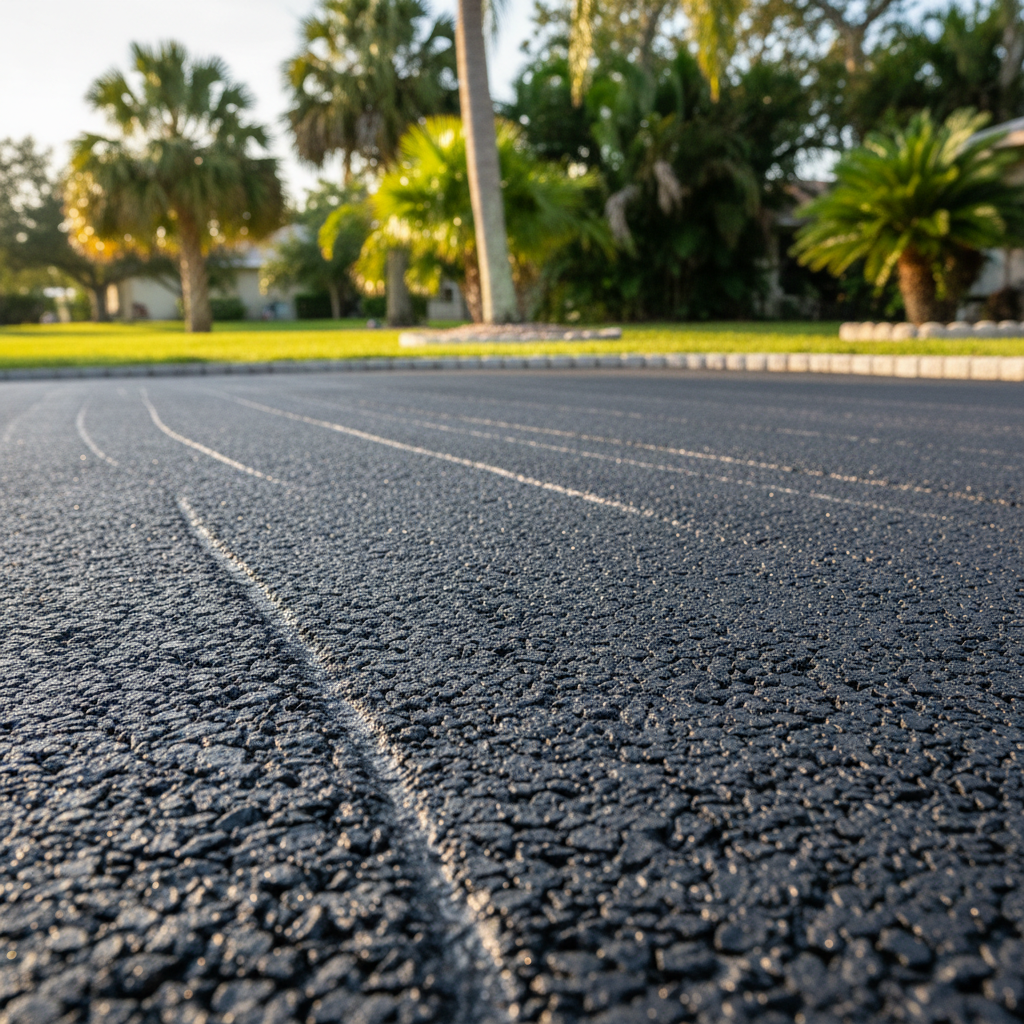
Once the milling is done, you'll have a rough, textured surface. What happens next depends on your plan. If you're putting down a new layer of asphalt, the crew will usually clean the surface thoroughly and then apply a tack coat before paving. This helps the new asphalt stick to the old base.
If you're using the millings themselves as your new surface, this is where you might be able to do some DIY work, depending on the scale. For a small private road or a parking area, you can spread those millings out evenly. You'll want a good, heavy roller to compact them down. You can rent these, but they're still big pieces of equipment. The more you compact them, the harder and more stable your surface will be. Over time, with traffic and sun, they'll bind together pretty well, especially if they were fresh millings with some residual asphalt binder.
However, for a driveway that needs to look good and last, just compacted millings usually aren't enough. You'll want a fresh layer of hot asphalt over that milled base. That's where Absolute Asphalt Co comes in. We can handle the whole process, from milling to paving, ensuring you get a smooth, durable finish that stands up to the Florida sun and rain.
The main takeaway? Milling is a fantastic option for rejuvenating old pavement without the full expense of a tear-out. But the actual milling part? Leave that to the experts. You can help with the planning, and maybe some of the spreading and compacting of millings for very specific, less critical applications, but for a quality, long-lasting surface, you'll want a professional crew to handle the heavy lifting.
Maintaining Your Milled or Repaved Surface
Once you've got your new surface, whether it's compacted millings or fresh asphalt over a milled base, you still need to take care of it. Keep it clean, address any small cracks or potholes quickly, and consider sealcoating your new asphalt surface after it's had time to cure. That'll protect it from the elements and extend its life, saving you money in the long run.