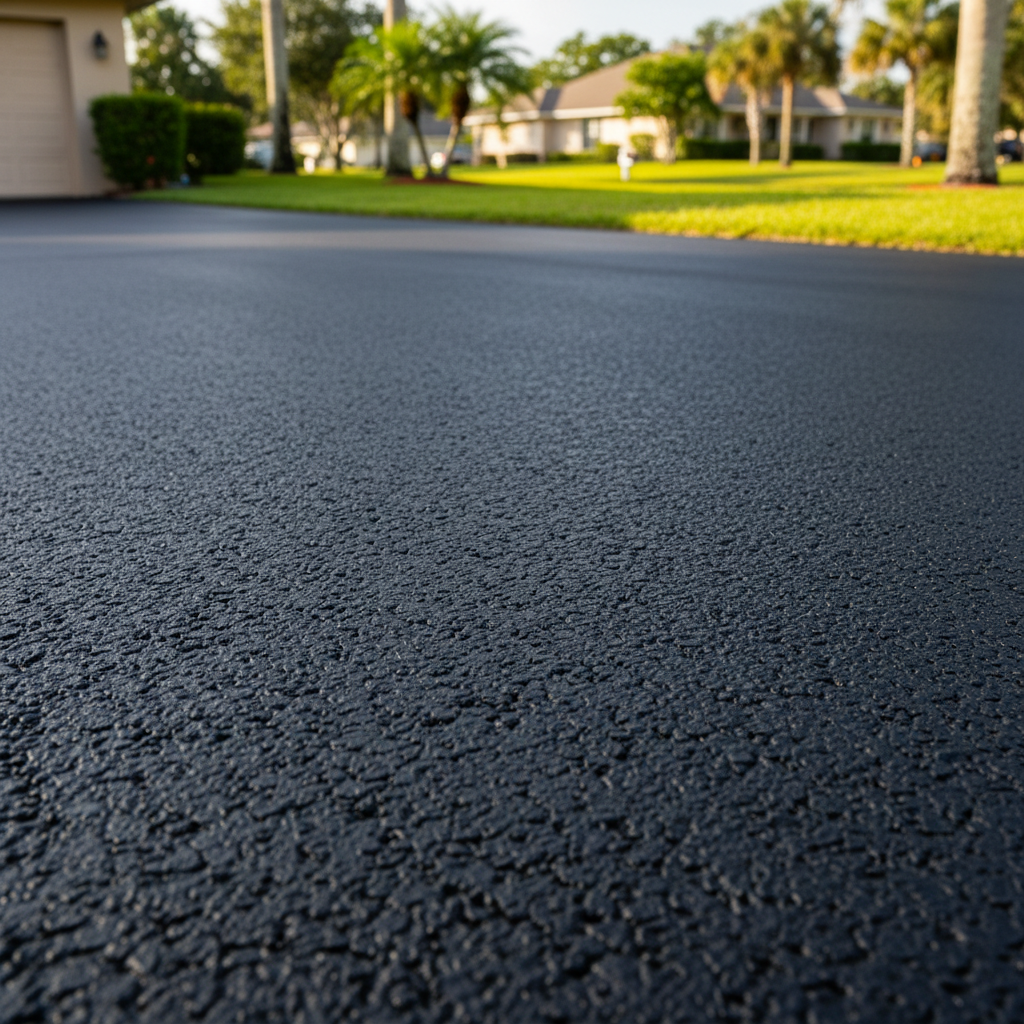
Alright, let's talk asphalt. I get a lot of calls from homeowners in Bradenton, and while every job's a little different, some questions just keep coming up. Folks want to know what they're getting into, and that's smart. So, I figured I'd lay out some straight answers to the most common stuff I hear. No fluff, just the facts from someone who's been doing this for a long time.
What's the real difference between asphalt and concrete for a driveway?
This is probably the number one question I get, hands down. Look, both asphalt and concrete have their place, but for most residential driveways around here, asphalt often makes more sense. Concrete is rigid. It's strong, sure, but it doesn't flex. Here in Florida, with our sandy soils and the way things shift, that rigidity means concrete cracks more easily. Once a crack starts in concrete, it tends to spread, and honestly, it can be a real pain to fix right. Asphalt, on the other hand, is flexible. It can handle a bit of movement from the ground underneath without cracking as easily. It's also generally quicker to install, and you can drive on it sooner. Plus, in our intense Bradenton sun, asphalt's dark color absorbs heat, which can help melt away any morning dew or light frost we might get — though that's pretty rare. Concrete reflects heat, which can be nice, but it also costs more upfront, usually a good bit more per square foot.
How long can I expect a new asphalt driveway to last?
A properly installed asphalt driveway, done by a reputable company like Absolute Asphalt Co, should easily give you 15 to 20 years, sometimes even more. But that's with a few caveats. First, it's gotta be done right from the start – good base prep is key. Second, you gotta do a little maintenance. Things like sealcoating every few years and addressing any small cracks or potholes quickly will extend its life significantly. Think of it like changing the oil in your car. You wouldn't expect your engine to last if you never did that, right? Same deal with your driveway. If you ignore it, you'll be replacing it a lot sooner.
What's involved in the installation process for a new driveway?
It's more than just dumping hot asphalt on the ground, I promise you. First, we've got to clear the area, which might mean removing old concrete or grass. Then, and this is crucial, we prepare the subgrade. We compact the soil to make sure it's stable. After that, we lay down a good, thick layer of crushed aggregate, usually limerock around here, and compact that too. This is your base, and it gives your driveway its strength and drainage. Once the base is solid, we apply the hot asphalt mix in layers, typically two for a residential driveway. Each layer gets compacted with heavy rollers to ensure it's dense and smooth. Finally, we make sure the edges are clean and the drainage is right. It's a multi-step process that takes time and the right equipment.
How soon can I drive on my new asphalt driveway?
Usually, you can drive on it within 2 to 3 days after installation. We always tell folks to stay off it for at least 24 hours to let it cool and harden. But even after a couple of days, it's still curing. It takes a good 6 to 12 months for asphalt to fully cure and reach its maximum hardness. During that first year, it's a good idea to be a little gentle. Avoid parking heavy RVs or boats on it for extended periods, especially in the same spot, and try not to turn your steering wheel sharply while the vehicle is stationary. That can twist and mark the fresh asphalt.
What kind of grading and drainage considerations are there for my property?
This is huge, especially with our rainy season down here. You don't want water sitting on your driveway or, worse, running towards your house. When we design and install a driveway, we're always thinking about positive drainage. That means making sure the driveway slopes away from your home and directs water to appropriate areas, like storm drains or swales. Sometimes, this involves a bit of earthwork to get the right pitch. We'll look at your property's existing contours and make sure the new driveway doesn't create any standing water issues. If your yard tends to get boggy, especially in those low-lying areas common in older Bradenton neighborhoods, we'll factor that into the design.
Will a new asphalt driveway increase my home's value?
Absolutely, it can. A well-maintained, smooth asphalt driveway significantly boosts your home's curb appeal. Think about it: the driveway is one of the first things people see when they pull up to your house. A cracked, crumbling, or nonexistent driveway makes a bad impression. A fresh, clean asphalt surface looks sharp, provides a safe, level surface for parking and walking, and shows that you've taken care of your property. It's an investment that pays off, both in daily convenience and when it comes time to sell.
What should I look for in an asphalt paving contractor?
Don't just pick the cheapest bid, I'm telling you. You want someone with a good track record, plenty of experience specifically with residential paving, and who's properly licensed and insured. Ask for references, and actually call them. Check out their past work if you can. A good contractor will come out, look at your property, listen to your concerns, and give you a detailed, written estimate. They won't pressure you, and they'll be happy to explain their process. And make sure they're local – someone who understands the specific challenges of paving in Bradenton, like our soil conditions and heavy rains, is always going to do a better job than an out-of-town outfit.