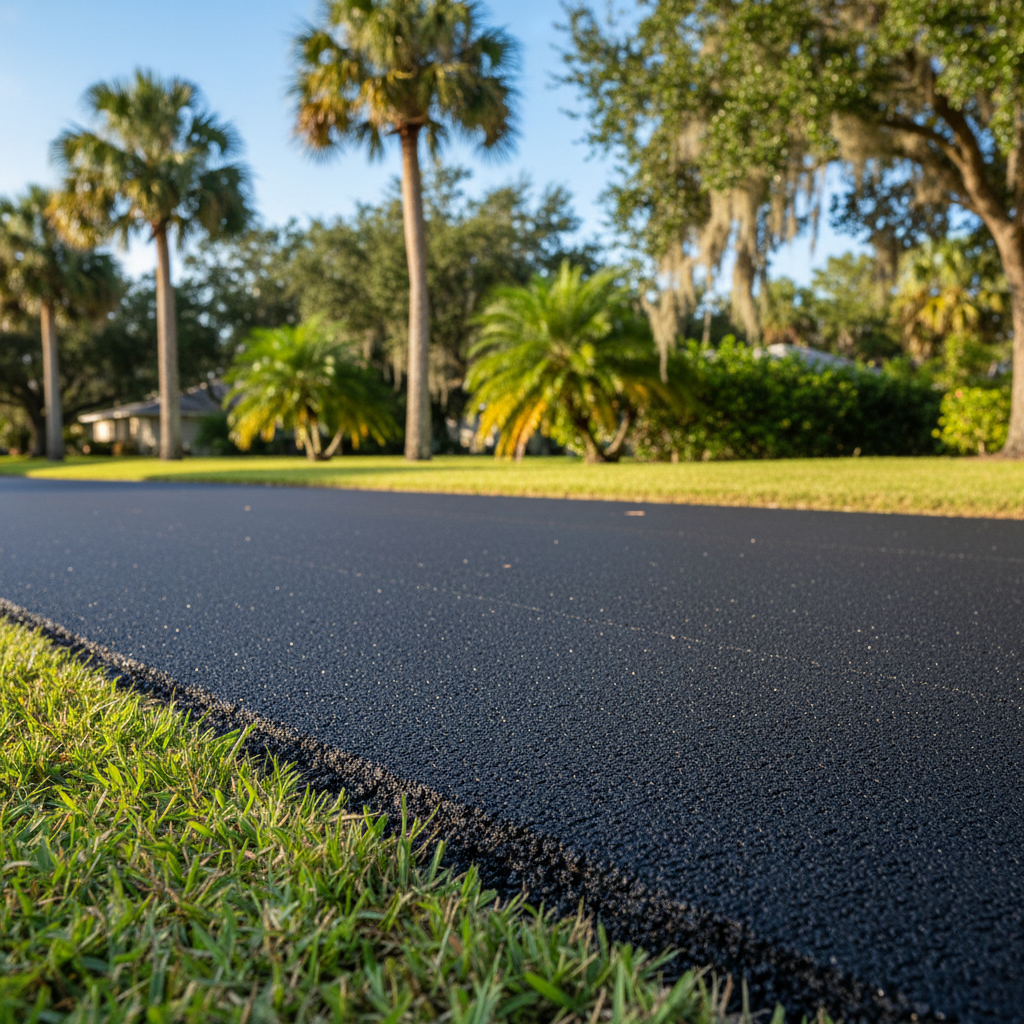
Alright, let's talk asphalt. I've been doing this a long time here in Bradenton, and I hear a lot of the same questions from folks looking to pave a new driveway or redo an old one. So, I figured I'd just lay it all out for you, straight from my experience. No fancy marketing talk, just honest answers to what you really want to know.
How long does a new asphalt driveway last around here?
That's a big one, and the short answer is: it depends. But generally, a well-put-in asphalt driveway in Bradenton, with proper upkeep, should give you a good 15 to 20 years. Sometimes even more. The key phrase there is 'well-installed' and 'proper maintenance.' If you skimp on the base prep, or you never sealcoat it, you won't hit those numbers. Our Florida sun and heavy rains are tough on everything, including asphalt. The UV rays break down the binder, and water getting in can cause all sorts of problems if it sneaks under the surface. So, while 15-20 years is a solid expectation, you've got to do your part, right?
What's the process for getting a new asphalt driveway?
It's not just dumping hot asphalt on the ground, I can tell you that much. First, we'll come out and take a look at your property, measure things up, and talk about what you need. Then, if there's an old surface, we'll demo it and haul it away. That's crucial. You can't just pave over a bad foundation. Next comes the grading and base preparation. This is probably the most important step. We'll lay down a good, solid aggregate base — usually limerock around here, because it packs down really well and handles our sandy soils. We compact it thoroughly, making sure water drains properly away from your house. Then, we put down the asphalt binder course, which is a coarser mix, followed by the surface course, which is a finer, smoother mix. Each layer gets compacted again, usually with a heavy roller. We're talking multiple passes to get it dense and smooth. Finally, we'll finish the edges and clean up. It's a multi-day process, not a quick fix, you know?
Can I pave over my existing concrete driveway with asphalt?
You can, but it's not always the best idea, and it comes with some catches. If your concrete driveway is in pretty good shape — just a few minor cracks, not heaving or severely broken up — then sometimes we can do an asphalt overlay. We'd clean it thoroughly, fill any significant cracks, and then pave directly over it. The concrete acts as a very stable base. However, if your concrete has major structural issues, like big cracks, settlement, or drainage problems, paving over it will just transfer those problems to your new asphalt. The cracks will eventually show through the new surface. In those cases, it's almost always better to take out the concrete entirely and start fresh with a proper asphalt base. It costs more up front, but it saves you headaches and money later on.
How long do I need to stay off my new asphalt driveway?
This is important, and people often get impatient. For a new asphalt driveway, you generally need to stay off it for at least 2-3 days, sometimes even longer if it's really hot out. Asphalt needs time to cure and harden. If you drive on it too soon, especially with heavy vehicles, you can create ruts, tire marks, and even push the asphalt around. It's still pliable when we first lay it down. After those initial few days, you can usually drive on it carefully, but it's a good idea to avoid parking heavy vehicles in the exact same spot for extended periods for the first few weeks, especially during our hot Bradenton summers. The heat can make it softer, and concentrated weight can cause depressions.
What causes cracks in asphalt, and how do I prevent them?
Cracks are inevitable eventually, but you can definitely slow them down. Most cracks come from a few main things. First, UV damage from the sun dries out the asphalt binder, making it brittle. Second, water getting under the surface, especially if it freezes and expands (though that's rare here in Bradenton, we do get some cold snaps), or if it wears away the base. Third, heavy loads or constant traffic in the same spot. And fourth, just natural expansion and contraction with temperature changes. To prevent them, the best thing you can do is regular sealcoating. I can't stress that enough. Sealcoating every 2-3 years protects the surface from UV rays and water. Also, make sure your drainage is good. If water is pooling on your driveway, that's a recipe for cracks and potholes. And don't let oil or gas spills sit on the surface; clean them up quickly, as they break down the asphalt.
Is it worth getting a warranty on asphalt paving?
Absolutely, you should always ask about a warranty. Any reputable contractor, like Absolute Asphalt Co, should stand behind their work. Typically, you'll see warranties ranging from one to three years on new asphalt installations. What that warranty covers is important to understand. It usually covers defects in workmanship or materials, like premature cracking, raveling, or significant failures that aren't caused by neglect or misuse on your part. It won't cover things like oil stains, damage from heavy equipment you drive on it, or cracks that form because you didn't maintain it. Make sure you get the warranty in writing and understand the terms. It just gives you that extra bit of confidence that if something goes wrong early on, the contractor will make it right.
How much does a new asphalt driveway cost in Bradenton?
This is the million-dollar question, and honestly, there's no single answer without seeing the job. It varies wildly depending on several factors: the size of your driveway, whether we're taking out an old surface or starting fresh, the thickness of the asphalt you want, and even how easy it is for our equipment to get to your property. What I can tell you is that a new asphalt driveway is an investment, but it's generally more affordable than concrete up front. You're looking at costs per square foot, and that can range quite a bit. The best way to get an accurate number is to call us up for a free, no-obligation estimate. We'll come out, measure everything, check out the site, and give you a solid quote tailored to your specific project. That's the only way to know for sure what you'll be paying.