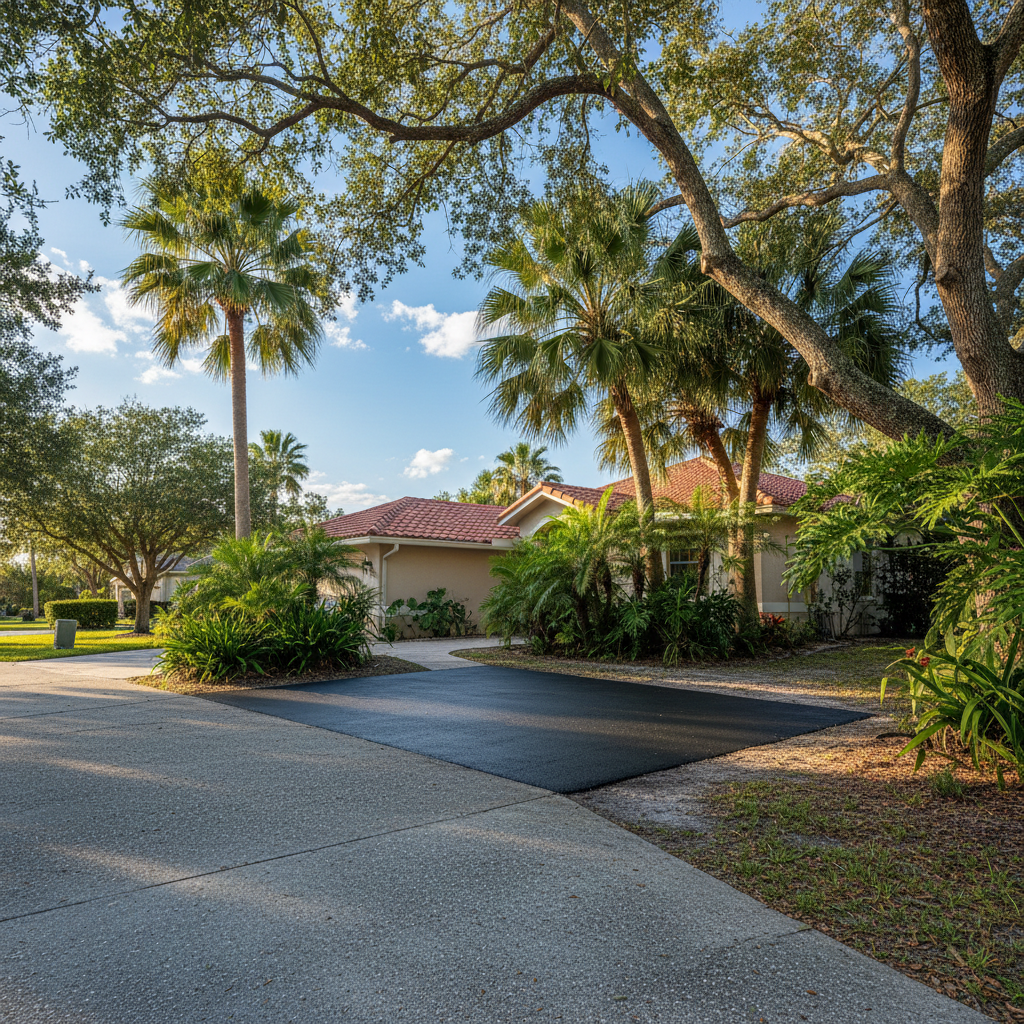
Got a pothole? Or maybe those cracks are just getting too wide, huh? You're probably thinking, 'Time to get that asphalt patched.' Smart move. Ignore these kinds of problems and they just get worse, turning a small fix into a huge bill pretty quickly. But here's the thing: I've seen plenty of folks here in Bradenton – especially around places like Palma Sola with all those older, established driveways – make some real head-scratching blunders when they get patching work done. You definitely don't want to be one of them. Let's talk about what to watch out for.
Mistake #1: Not Knowing the Difference Between a Patch and a Band-Aid
This is a big one, truly. Homeowners call me up all the time, saying, 'I need a patch here,' and they'll point to a crumbling spot. But often, what they *really* need isn't just a patch; it's a repair that actually gets to the bottom of the problem. A cheap, quick patch might look fine for a month or two, but if the base underneath is shot, or if water's still getting in (heavy rains and bad drainage do the same kind of damage here in Florida, even if freezing isn't an issue), that patch is just going to fail. You'll end up right back where you started, only now you've paid twice.
When I talk about patching, I mean cutting out the bad section, cleaning out the base — maybe even re-compacting it — and then laying down new asphalt. That's a real fix. If someone's just dumping hot mix into a hole and tamping it down, well, that's a temporary fix at best. Ask your contractor about their process. If they can't explain it clearly, or if it sounds way too simple, that's a red flag, wouldn't you say?
Mistake #2: Going with the Lowest Bid Without Asking Questions
Everyone wants to save a buck, I get it. But with asphalt work, the lowest bid often means the lowest quality. I've seen 'contractors' come through Bradenton, especially after a big storm, offering prices that are unbelievably low. They'll do a quick, shoddy job, take your money, and then you'll never see them again when the patch falls apart. You're left with a mess and no way to fix it.
Don't just look at the price tag. Look at what's included. Are they licensed and insured? Do they offer a warranty? What kind of materials are they using, anyway? A reputable company, like Absolute Asphalt Co, will be upfront about all this stuff. They'll also be able to give you references. If a bid seems too good to be true, it probably is.
Mistake #3: Not Understanding the Cause of the Damage
You've got a crack. Why? You've got a pothole. How did it get there? If you don't know, and your contractor isn't asking, you're just setting yourself up for repeat problems. Sometimes it's just age and wear, sure, that happens. But other times, it's poor drainage, tree roots, a weak base, or even heavy vehicles that shouldn't be on your residential driveway. If you patch over a drainage problem, that water is just going to find another weak spot, or undermine your new patch.
A good contractor will inspect the area, ask you about how the damage started, and try to figure out the real cause. They might suggest a small drainage improvement along with the patch, or explain why a certain area keeps failing. It's not about trying to upsell you; it's about making sure the repair actually holds up.
Mistake #4: Ignoring the Weather (Yes, Even in Florida)
We're in Florida, so we don't really worry about freezing and thawing cycles like folks up north. But we definitely have intense sun, heavy rain, and high humidity. Patching asphalt in the middle of a torrential downpour, or when the ground is completely soaked, is a recipe for disaster. The new asphalt won't bond right, and you'll end up with a weak spot that fails quickly.
A professional knows the right conditions for laying asphalt. They'll schedule the work when it's dry and the temperatures are appropriate for the material they're using. If a contractor is pushing to do the work when the weather isn't cooperating, that's another sign they might be cutting corners.
Mistake #5: Not Getting a Clear Scope of Work in Writing
This is basic business, really, but you'd be surprised how many folks just shake hands on a verbal agreement. 'Yeah, we'll patch those spots for ya.' Which spots? How big? What kind of patch are we talking about? What's the guarantee? Come on, people!
Always get a written estimate and contract that clearly outlines: the specific areas to be patched, the type of patching method (like cut-and-patch or infrared repair), the materials they'll use, the timeline, the total cost, and any warranty. This protects both you and the contractor. If there's a disagreement later, you've got something to refer back to. No surprises, no misunderstandings.
Mistake #6: Thinking All Asphalt is the Same
It's not. There are different mixes designed for different purposes and climates. Some are better for heavy traffic, some for residential driveways. Some cure faster, some are more flexible. A reputable contractor will use the right mix for your specific project and our Bradenton climate. If they're just using whatever 'hot mix' they happen to have on the truck without considering your specific needs, that's just not ideal.
You don't need to be an expert, but you should feel comfortable asking about the materials. If they can't explain why they're using a particular type of asphalt, or if they seem dismissive, that's not a good sign. You're paying for a durable repair, so the right materials really do matter.
Look, patching your asphalt isn't rocket science, but it's not a DIY job for most folks, and it definitely requires a professional who knows what they're doing. By avoiding these common mistakes, you'll save yourself money, frustration, and make sure your asphalt repair lasts as long as it should.