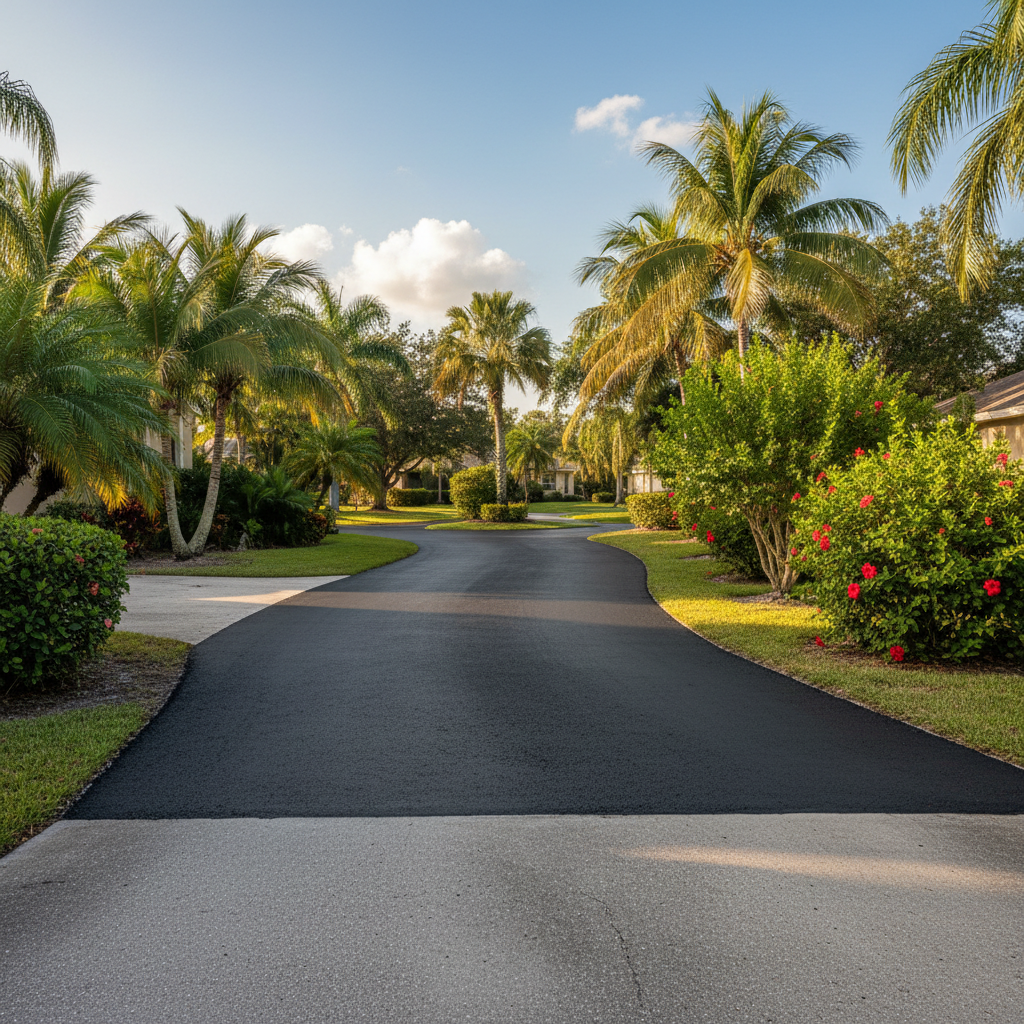
So, you've gotten some potholes fixed or cracks patched up on your driveway or parking lot. That's a good start! But if you think the job's completely done and you can just forget about it, well, you're probably setting yourself up for more headaches down the road. Especially here in Bradenton, where the sun bakes everything and the rain comes down in buckets, you really have to be smart about maintenance.
Making Your Asphalt Patch Last Longer
Getting a patch done is an investment, even if it's smaller than a full resurface. You want that repair to last as long as possible, right? The biggest thing you can do is give it time to cure properly. After we lay down hot asphalt, it needs to harden up. That usually means keeping heavy vehicles off it for at least 24-48 hours, sometimes longer if it's a really thick patch or the weather's cool. I know it's inconvenient, but trust me, driving on it too soon is like stepping on wet concrete – you'll mess it up, and then some.
Once it's cured, think about what's going on top of it. Heavy, concentrated loads are the enemy. If you've got a dumpster or a big work truck that always parks in the same spot, that's where you'll see issues first. Try to spread out the weight or move things around if you can. Also, watch out for oil and gas spills. They'll soften the asphalt and break down the binder, turning your nice patch into a gooey mess. Clean those up quick with an absorbent material; don't just let them sit there.
Regular Maintenance: Your Asphalt's Best Friend
Maintenance isn't just about fixing things when they break; it's about preventing them from breaking in the first place. For patched areas, this means a few things:
- Keep it Clean: Dirt, debris, and especially organic matter like leaves and pine needles can trap moisture against the asphalt. That moisture, combined with our intense Florida sun, speeds up deterioration. A quick sweep or blow-off regularly goes a long way.
- Watch for Weeds: Weeds and grass love to grow through cracks. If you see them popping up in or around your patch, pull them out or hit them with a weed killer. Their roots can widen small cracks into big problems, you know?
- Sealcoating: This is huge for us in Florida. Sealcoating every few years protects your asphalt from UV rays, water penetration, and chemical spills. Think of it like sunscreen for your driveway. It helps bind the surface and can really extend the life of your patches and the surrounding pavement. We do a lot of sealcoating at Absolute Asphalt Co, and I've seen firsthand the difference it makes.
Warning Signs: Don't Ignore These
Your asphalt will tell you when it's having problems, you just have to know what to look for. Catching these early can save you a bundle.
- New Cracks: If you see new cracks forming in or right around the patched area, that's a red flag. It could mean the underlying base isn't stable, or the patch itself is failing.
- Fading or Discoloration: Asphalt should be a consistent dark color. If your patch starts looking faded, gray, or uneven, it might be losing its binder due to sun exposure or wear.
- Potholes Reappearing: This is the most obvious one. If a pothole comes back in the same spot you just patched, that's a sign of a deeper issue. The original repair might not have addressed the root cause, like poor drainage or a weak sub-base.
- Soft Spots or Rutting: If you notice areas that feel soft underfoot or where vehicle tires are leaving indentations, that's a serious problem. It means the asphalt isn't holding up to the load, likely due to water damage or a failing base.
- Pooling Water: After a rain shower, if water sits on or around your patched area for hours, that's bad news. Water is asphalt's worst enemy, especially here where we get heavy downpours. It'll seep into any tiny crack and undermine the pavement.
When to Call a Professional
Look, some things you can handle yourself, like sweeping or pulling weeds. But when you see those warning signs I just talked about, or if you're not sure what's going on, it's time to call in the pros. Trying to DIY a failing patch often just makes it worse and more expensive to fix later.
Here's when you definitely need to pick up the phone:
- When cracks are getting wider than a quarter-inch, or you see alligator cracking (lots of small, interconnected cracks that look like alligator skin).
- If you've got standing water issues that aren't going away.
- When potholes are reappearing regularly in the same spot, no matter how many times you fill 'em.
- If you notice significant sinking or rutting in the patched area or surrounding pavement.
A good asphalt contractor, like us at Absolute Asphalt Co, can assess the situation. We'll figure out if it's just a surface issue, or if there's something deeper going on with your sub-base or drainage. Sometimes a simple patch isn't enough; you might need a more extensive repair or even a small section removed and replaced. We've seen it all, from the sandy soils of West Bradenton causing drainage headaches to the constant humidity and heat that breaks down pavement faster than you'd think. Getting an expert opinion early can save you from a complete repave down the line.