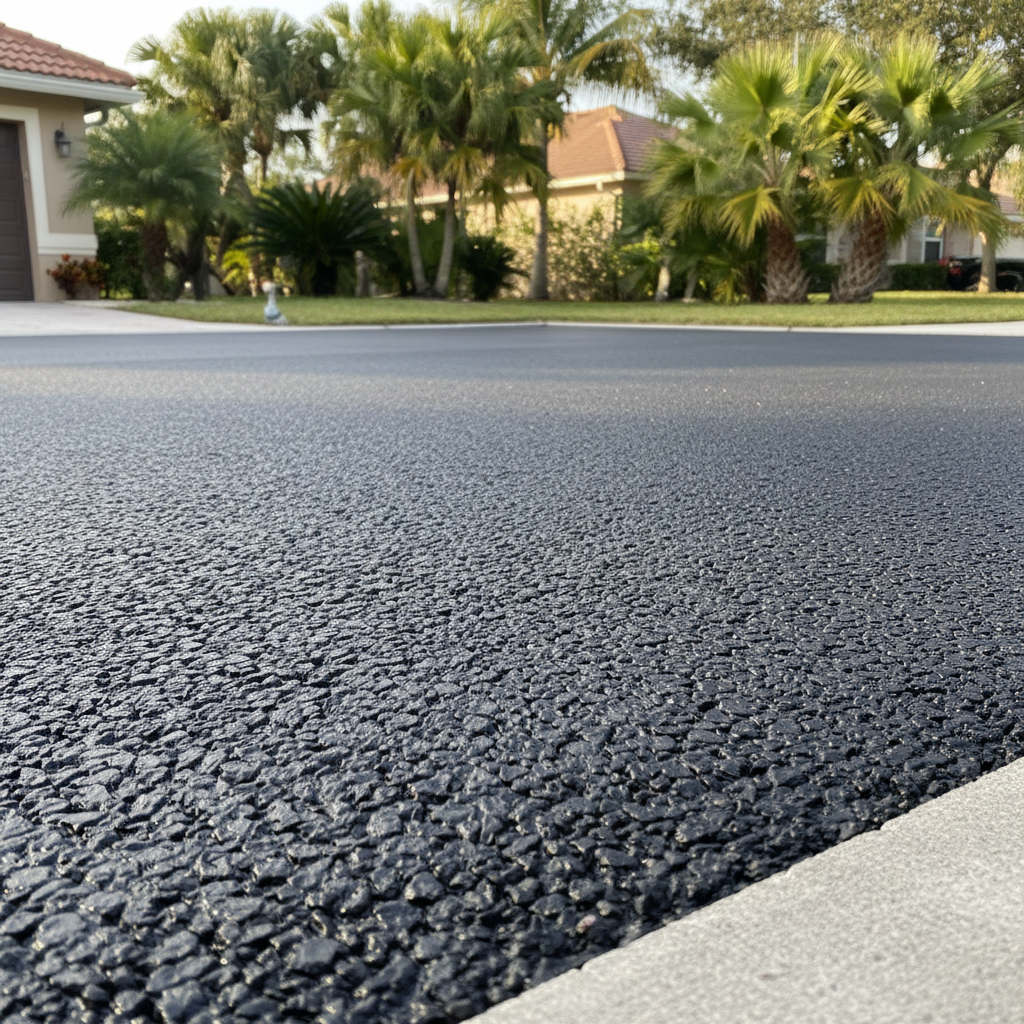
Commercial Asphalt at Your Home? Here's the Deal.
Okay, so you're a homeowner in Bradenton, staring at your driveway, maybe a private access road, or even a big parking area for your home-based business. You're probably thinking, "This thing needs to be tough. Commercial tough." I get it. You want something that can really stand up to heavier vehicles, constant use, or just the brutal Florida sun and rain we get here — especially during hurricane season when the ground practically turns to soup. But what exactly does "commercial asphalt" mean for a homeowner, and what parts of the job can you actually tackle yourself?
First, let's clear something up. When we talk about "commercial asphalt" for a residential property, we're usually talking about a thicker, more heavy-duty paving solution than your typical residential driveway. It's built to handle more weight, more traffic, and generally last longer under tougher conditions. Think about the difference between a normal neighborhood street and a shopping center parking lot. That's the kind of difference we're talking about in terms of materials and how it's built.
Before You Even Think About Pouring
This is where most folks mess up. Planning is absolutely everything, and with commercial-grade asphalt, it's even more critical. You can't just throw down some hot mix and call it a day, especially not here in Bradenton where our sandy soil can be pretty tricky. So, here's what you really need to consider:
The Base is Everything: I honestly can't stress this enough. A commercial asphalt job demands a serious sub-base. We're talking compacted limerock, maybe even a geotextile fabric if your soil is particularly soft or prone to shifting. If you skip this step, your beautiful new asphalt will crack and sink faster than you can say "pothole." Can you do the base prep yourself? Maybe for a small, simple area, if you're good with heavy equipment and know how to compact things properly. But for anything substantial, you're looking at professional excavation, grading, and compaction.
Drainage, Drainage, Drainage: Water is asphalt's worst enemy. You need proper slopes and drainage to get water off the surface and away from the edges. Standing water will soften the base and lead to premature failure, plain and simple. This isn't just about making it look nice; it's about engineering. Unless you've got experience with site grading and civil engineering principles, this is probably a job for someone who does this every single day.
Permits: Don't forget your local Bradenton and Manatee County rules. Depending on how big and what kind of project you're doing, you might need permits. Always check with the county's building department before you start digging.
During the Project: DIY or Call the Pros?
Alright, you've got your plan, your base is ready, and now you're thinking about the actual paving. This is where the line between DIY and professional gets really, really clear.
DIY for Small Patching? Maybe. If you're just talking about a small, isolated pothole or a minor repair on an existing commercial-grade surface, you *can* buy cold patch asphalt and do some temporary fixes. But understand, it's temporary. It won't have the same strength or longevity as hot mix asphalt applied correctly.
Full Paving? Absolutely Not DIY. Laying commercial-grade hot mix asphalt is not a weekend warrior project. You need specialized equipment: asphalt pavers, rollers (and I'm not talking about your lawn roller, obviously), dump trucks to deliver the hot mix at the right temperature, and a crew that knows how to work with it quickly before it cools. The material itself is expensive, and if you mess it up, you've wasted a lot of money and time. Trying to do a large paving job yourself will almost certainly lead to an uneven surface, poor compaction, and pavement that won't last. You'll end up paying someone like us at Absolute Asphalt Co. to tear it out and do it right anyway.
After the Paving: Maintenance Matters
So, you've got your new, tough asphalt surface. Great! Now, how do you keep it that way? This is where homeowners can really make a difference.
Keep it Clean: Sweep off debris, leaves, and dirt regularly. This stops organic matter from breaking down and staining the surface, and keeps water from pooling.
Address Spills Immediately: Oil, gas, and other chemicals can break down asphalt. Clean up spills right away with an absorbent material and a mild detergent.
Sealcoating: This is a big one. About 6-12 months after your new asphalt is laid, you'll want to sealcoat it. Then, every 2-3 years after that. Sealcoating protects the asphalt from UV rays, water penetration, and chemical spills. It's like sunscreen for your pavement. Can you do it yourself? For a small driveway, maybe. You can buy sealer and apply it with a squeegee. But for larger areas, especially if you want a professional, even finish, you'll want a contractor. We've got the right equipment to apply it evenly and efficiently.
Crack Filling: As your asphalt ages, small cracks will appear. Don't ignore them! Water gets into those cracks, freezes (not often in Bradenton, but it happens up north!), expands, and makes the cracks bigger. Here in Florida, it's more about water getting to the base and softening it. You can buy crack filler and apply it yourself for smaller cracks. Just make sure the crack is clean and dry before you fill it.
Watch for Potholes: If you see a pothole starting, address it quickly. The longer you wait, the bigger and more expensive it gets to fix.
Look, I'm all for homeowners tackling projects, but some jobs are just too big, too complex, or require too much specialized equipment to do right. Commercial-grade asphalt paving is one of those. You can absolutely handle the ongoing maintenance like cleaning, minor crack filling, and even small-scale sealcoating. But for the initial installation or major repairs, save yourself the headache and the money in the long run. Call a local pro like Absolute Asphalt Co. We'll get it done right, so you don't have to worry about it for years to come.