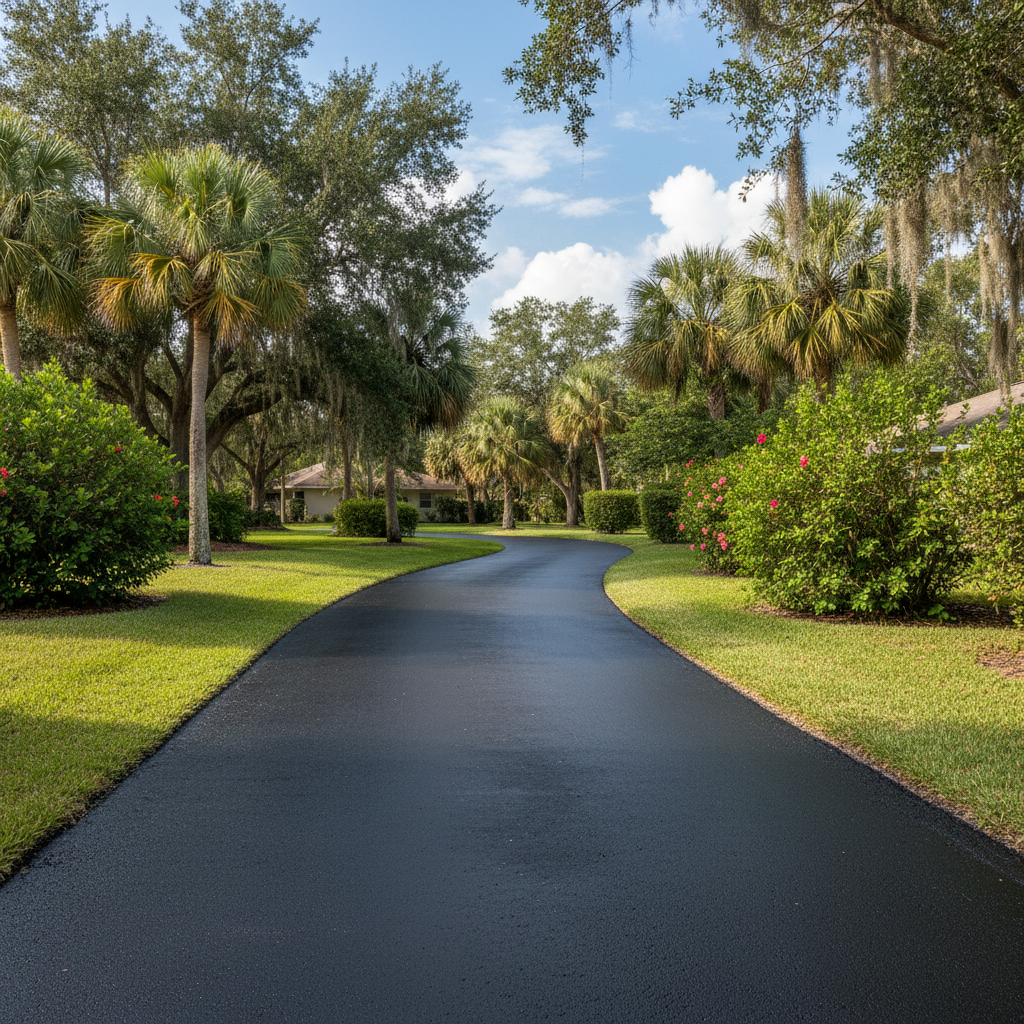
Slurry coating your asphalt driveway is a smart move for homeowners here in Bradenton. It’s not just about making your pavement look good, you know? It’s really about protecting it from that brutal Florida sun and those heavy downpours we get. But you can't just slap it on any old time. Timing is absolutely everything, especially with our unique climate.
When's the Best Time for Slurry Coating in Bradenton?
Honestly, the shoulder seasons are your best bet. I'm talking late fall, winter, and early spring. Think November through April. Why then? Because you need consistent, dry weather, and it can't be too hot. Slurry coating needs time to cure properly, and that means avoiding extreme heat and heavy rain.
- Fall (November-December): This is prime time. The summer humidity starts to back off, and those daily afternoon thunderstorms become less frequent. You still get warm enough temperatures for the material to set, but it’s not scorching hot.
- Winter (January-February): Another great window. We get those beautiful, cooler, dry days. Just make sure the overnight temperatures aren't dipping too low, especially if you're up in areas like Parrish where it can get a bit chillier than closer to the coast. You want daytime temps consistently above 50°F (10°C) and no frost in the forecast.
- Early Spring (March-April): Still good, but you gotta watch the forecast closely. The heat starts to creep back up, and the rainy season can kick off early some years. If you're going to do it in spring, aim for the earlier part of it.
What you absolutely want to avoid are the peak summer months – May through October. That's our rainy season, and the humidity is through the roof. Slurry coating just won't cure right then, and you'll end up with a mess or a job that won't last. It’s a waste of your money and our time if we try to fight Mother Nature.
Weather Conditions That Make or Break the Job
It’s not just the season; it’s the daily forecast too. When Absolute Asphalt Co comes out to do a slurry coating job, we're looking for a few key things:
- Dry Conditions: This is non-negotiable. The surface needs to be completely dry before we start, and it needs to stay dry for at least 24-48 hours after we put it down. Any rain, even a light drizzle, can ruin the curing process, leading to streaks, peeling, or a weak finish.
- Moderate Temperatures: Ideally, we want temperatures between 60°F and 90°F (15°C and 32°C). Too cold, and the material won't cure properly. Too hot, and it can dry too fast, leading to cracking or a poor bond. The sun beating down on a 95-degree day will just cook it too quickly.
- Low Humidity: High humidity, which we get a lot of here, slows down the drying process significantly. This increases the risk of rain damage and can lead to a less durable finish. That's why those drier winter days are so good.
- No Strong Winds: While not as critical as rain or temperature, strong winds can blow debris onto the wet slurry, or cause it to dry unevenly.
Protecting Your Investment Year-Round
Once your slurry coating is down and cured, you’ve done a great job protecting your asphalt. But your work isn't totally over. Here’s how to keep it looking good and lasting long:
- Keep it Clean: Sweep off leaves, dirt, and debris regularly. Don't let organic matter sit and decompose on your driveway, especially if it's holding moisture.
- Address Spills Immediately: Oil, gas, and other automotive fluids are asphalt killers. Clean them up right away with an absorbent material and then a mild detergent. Don't let them sit and soak in.
- Trim Overhanging Branches: If you've got big oak trees dropping leaves and acorns all over your driveway, trim them back. Less debris means less cleaning and less potential for staining or damage.
- Watch for Cracks: Even with slurry coating, small cracks can develop over time. Address them quickly with crack filler. Don't let them turn into potholes. Water getting into those cracks is what really breaks down your pavement from the inside out.
- Avoid Heavy Loads: Try not to park heavy equipment or RVs on your driveway for extended periods, especially in the same spot. The weight can cause depressions or cracking over time.
Slurry coating is a fantastic way to extend the life of your asphalt driveway. Just make sure you pick the right time of year and keep an eye on the weather. A little planning goes a long way in getting the most out of your investment.