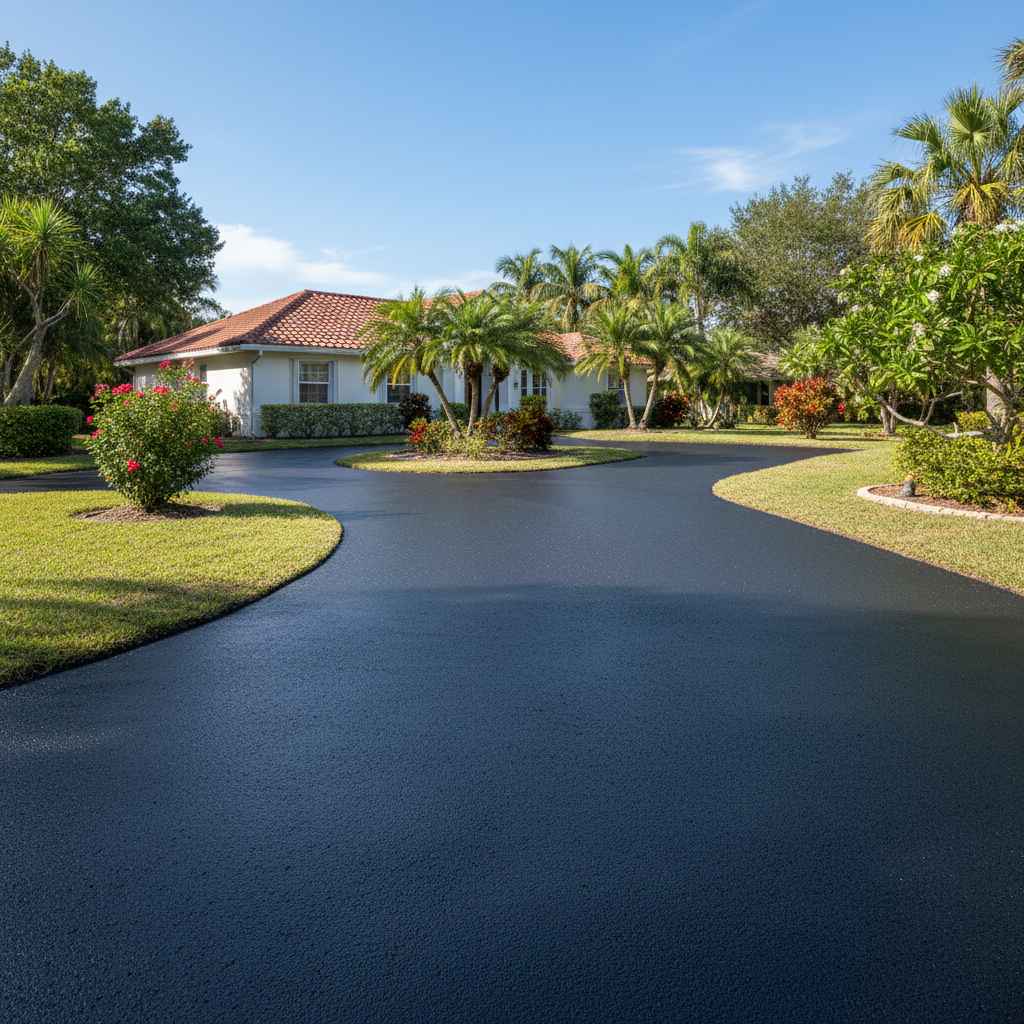
So, you're thinking about getting a slurry coating for your driveway or parking area. Smart move, honestly. It's a really effective way to protect your asphalt and make it look sharp again. But hold on a second before you dive in – you need a solid plan. I've seen plenty of projects go south because people didn't really know what to expect. Let's make sure that doesn't happen to you.
Your Slurry Coating Project Timeline
Planning is absolutely crucial, especially here in Bradenton. Our weather, well, it's a real wildcard, isn't it? You can't just wake up Tuesday and decide you want the job finished by Friday. There's a whole process involved, and it takes some time.
- Getting Quotes: Give yourself at least a couple of weeks for this. You'll want to chat with a few different contractors, get their bids, and make sure they're reputable. Don't try to rush this part.
- Scheduling the Work: Once you've picked a contractor, they'll need to fit you into their calendar. Depending on the season and how busy they are, this could be anywhere from a week to a month out. Here at Absolute Asphalt Co., we always try to be super clear about when we're available.
- Weather Delays: This is a big one in Florida. Slurry coating needs dry weather, and it has to stay dry for a good 24-48 hours after it's applied. Those pop-up afternoon thunderstorms? They're just a fact of life here, especially in the summer. Your contractor might have to reschedule at the last minute, and that's just part of living in paradise, I guess. Don't get angry; it's really for the good of your driveway.
- Curing Time: After the coating goes down, you can't drive or even walk on it for a while. Usually, it's 24-48 hours before you can drive, and sometimes even longer if you've got heavy vehicles. Your contractor will give you the exact instructions.
What to Expect During the Process
The actual work usually moves pretty quickly once the crew gets started. Here’s the basic rundown:
- Preparation is Everything: First things first, we'll clean the surface really well. That means sweeping, blowing, and sometimes even power washing to get rid of all the dirt, debris, and loose aggregate. If there are any oil stains, those need pre-treating too. We'll also take care of any cracks or small potholes before we even think about applying the slurry. You just can't put a nice finish over a mess.
- Application Day: The crew will show up with the slurry mix. It's basically a blend of asphalt emulsion, aggregate, water, and some additives. They'll spread it evenly over your asphalt surface, often using special squeegees or spreaders. Think of it like painting a giant canvas, but with much thicker material. It'll look wet and dark, and you'll definitely see the texture of the aggregate.
- Drying and Curing: This is where your patience comes in handy. The surface needs to dry completely. The color will lighten up a bit as it cures. You'll absolutely want to keep kids, pets, and vehicles off it during this time.
How to Prepare Your Property
You've got a part to play in this too, you know. Doing these things makes the contractor's job easier and really helps everything go smoothly:
- Clear the Area: Move all your vehicles, trash cans, planters, toys, and anything else off the driveway and any nearby areas that might get overspray.
- Trim Landscaping: If you've got bushes or trees hanging over the driveway, trim them back. This gives the crew plenty of room to work and keeps slurry off your plants.
- Arrange Parking: Figure out where you're going to park your cars for a few days. If you live in a community with strict HOA rules, make sure you know your options for street parking or guest spots. Some of those older communities in West Bradenton have really tight streets, so planning ahead is smart.
- Inform Neighbors: Give your neighbors a heads-up, especially if the work might block their access or if there will be some noise. It's just good neighborly practice, right?
- Turn Off Sprinklers: Make sure your irrigation system is off for at least 24 hours before the work, and for a few days afterward. You really don't want water messing up that fresh coating.
Questions to Ask Before You Sign That Contract
Don't be shy. You're paying good money for this, so ask away. A good contractor will actually appreciate how thorough you are.
- What's included in the price? Make sure you understand if crack filling, oil spot treatment, or any other prep work is part of the quote, or if those are extra charges.
- What kind of warranty do you offer? A reputable company will stand behind their work. Ask about their guarantee on materials and labor.
- How long have you been doing slurry coating? Experience really matters, especially with a specialized application like slurry.
- Can you provide references? Talk to other homeowners they've done work for. See their work if you can.
- What's your plan for protecting adjacent surfaces? You definitely don't want slurry all over your garage door, house siding, or landscaping. They should have a plan for masking or protecting those areas.
- What's the typical curing time for this specific product? Different products have different cure times. Get it in writing.
- Are you licensed and insured? Never, ever hire someone who isn't. This protects you if something goes wrong.
Getting a slurry coating is a smart investment in your property. Just take the time to plan it out, ask the right questions, and get your space ready. You'll end up with a great-looking, protected driveway that'll last you for years.